

India is often perceived through extremes — overwhelming, conservative, chaotic, or difficult to navigate. For many travelers, especially those from diverse communities, these assumptions can create hesitation. Questions around comfort, safety, and acceptance are valid when considering a destination as layered as India.
Yet, there is another side to the country, one that is evolving, nuanced, and deeply rooted in community. One of the most powerful ways India quietly challenges these perceptions is through its festivals.
Across the country, festivals transform everyday life. Streets turn into shared spaces, homes open to neighbors and visitors, and celebration becomes collective rather than individual. During these moments, participation matters far more than background, identity, or labels. Indian festivals are inherently community-driven. They invite people to dress freely, dance openly, sing loudly, and celebrate without restraint. Social hierarchies soften, and expression becomes natural rather than questioned. For many travelers, this creates a sense of ease, where being present is enough, and belonging does not need to be negotiated.
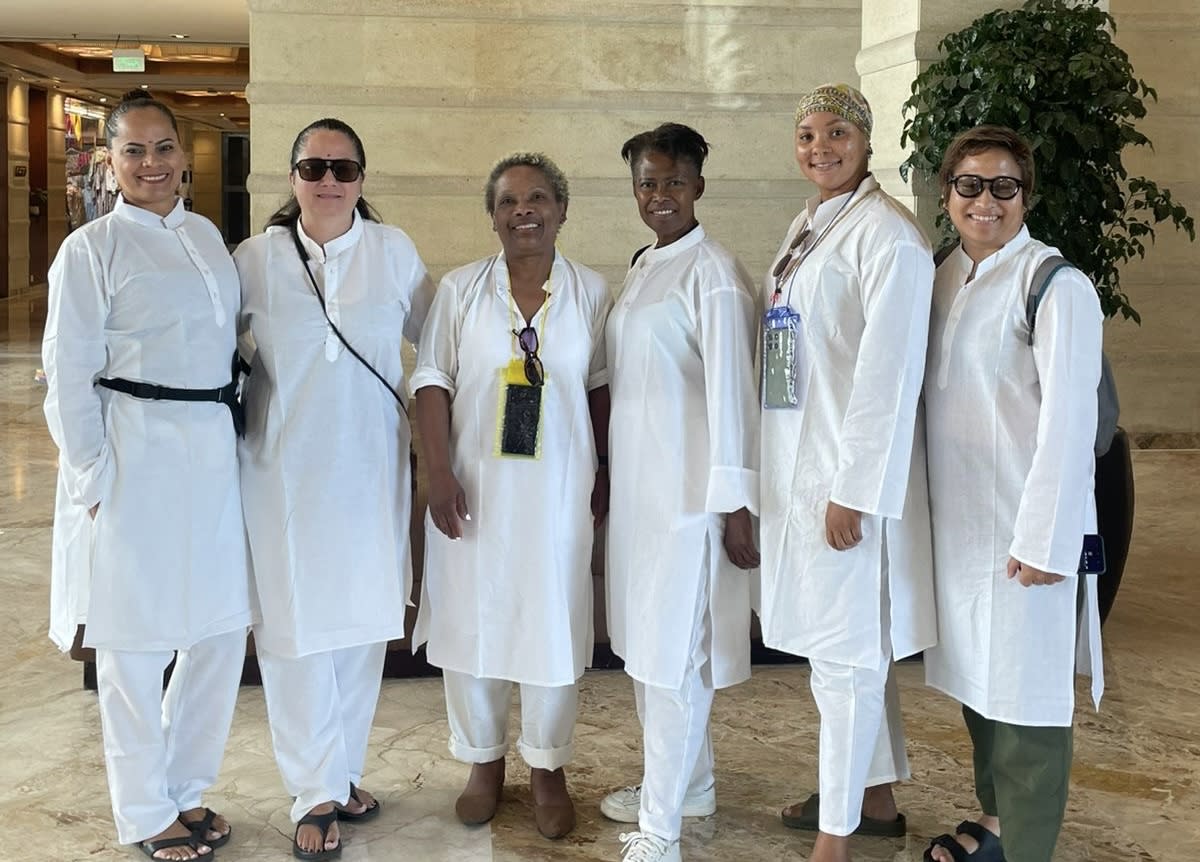
Guests from a recent Ladies Touch tour all ready to celebrate Holi with a local Indian family
Celebrating Holi with local communities, where color, joy, and connection bring everyone together is one such festival that defines inclusivity. This lived inclusivity was especially visible during a recent Holi celebration in Jaipur. What began as a cultural experience quickly became something more personal. Covered in color, laughter, and music, festival attendees found themselves fully immersed; not as observers, but as participants celebrating alongside local families.
Holi, often known as the festival of colors, dissolves visible differences. In those moments, identity takes a step back and shared joy takes over. This is where the idea of a “new India” begins to take shape not as a departure from tradition, but as an extension of it. Cultural values of hospitality, openness, and coexistence are being reinterpreted in more inclusive ways.
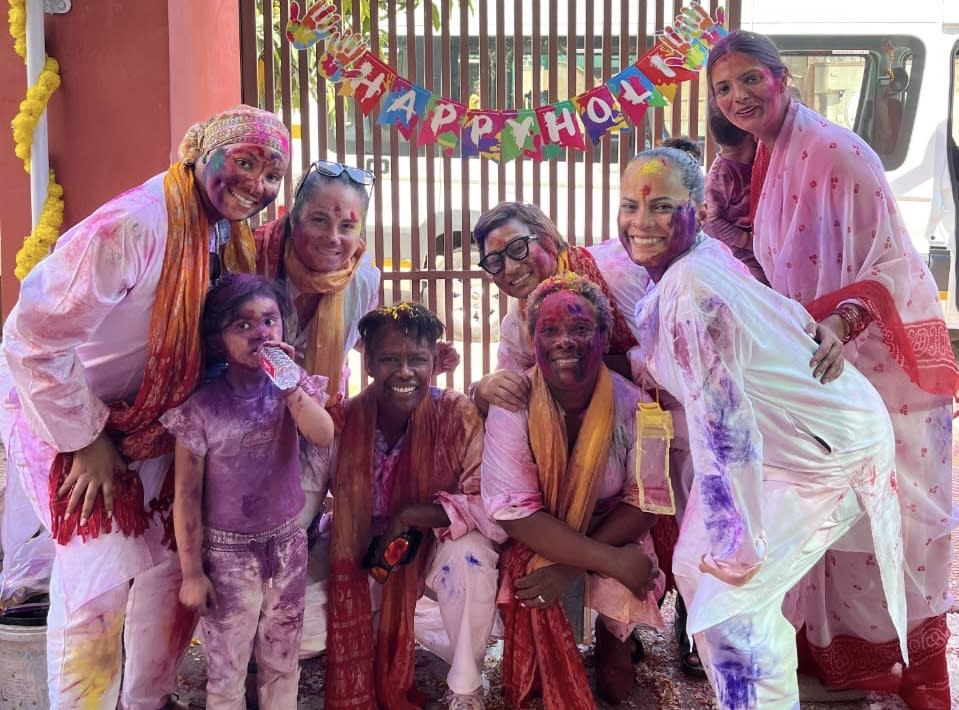
Hands-on cultural experiences create deeper connections between travelers and local artisans. Many festivals themselves are rooted in ideas of balance, transformation, and plurality. Celebrations like Holi blur distinctions through color, while festivals such as Navratri bring together people through rhythm and movement.
Travel becomes more powerful when it creates space for comfort, expression, and belonging. India’s regional diversity adds even more depth to this experience. From community-led celebrations like Durga Puja to local festivals across regions, each expresses hospitality in its own way. At the same time, India’s travel ecosystem is evolving. There is a growing awareness around creating safer, more inclusive spaces for diverse travelers through conscious hosting and community-led experiences.
India may still be misunderstood from the outside, but its festivals tell a different story — one of openness, resilience, and collective belonging.