

I arrived in Vienna expecting beauty, elegance, and a little bit of Mozart. What I found was a city that feels even more compelling when you experience it without any planning: cultured but unpretentious, grand but intimate, and surprisingly open about the spaces where queer life actually happens.
Vienna is the kind of place that can take you from a Viennese coffeehouse to a concert hall to a sauna in the same day without losing its sense of style. That balance is what makes it memorable. It’s also what makes it feel real, because “queer travel” is not only about landmarks and polished hospitality, it’s about finding the places where community has a pulse.
The city that welcomes desire
What I appreciated most about Vienna was it did not force LGBTQIA+ life into a corner. There is a long, visible queer presence here, and it gives the city an ease that is hard to fake. Vienna feels like a city that knows who it is and does not need to perform inclusivity for the sake of marketing. For a visitor, that creates a quieter kind of luxury — the luxury of not having to second-guess if you belong.
Gay saunas aren’t tucked away — they’re treated like museums with heat.
I want to say this plainly, because too often corporate travel language avoids it: gay saunas can be a vital part of our community. They are social spaces, wellness spaces, intimate spaces, and cultural spaces all at once, and they deserve to be named without embarrassment or euphemism.
In Vienna, that openness is refreshing. The city’s tourism board recognizes gay saunas as part of its broader queer landscape, with Kaiserbründl standing out as one of the best-known venues in the city — if not the world. Operating as a bathhouse for more than 135 years and steeped in imperial lore, it is a place where Vienna’s history and modern queer life meet.
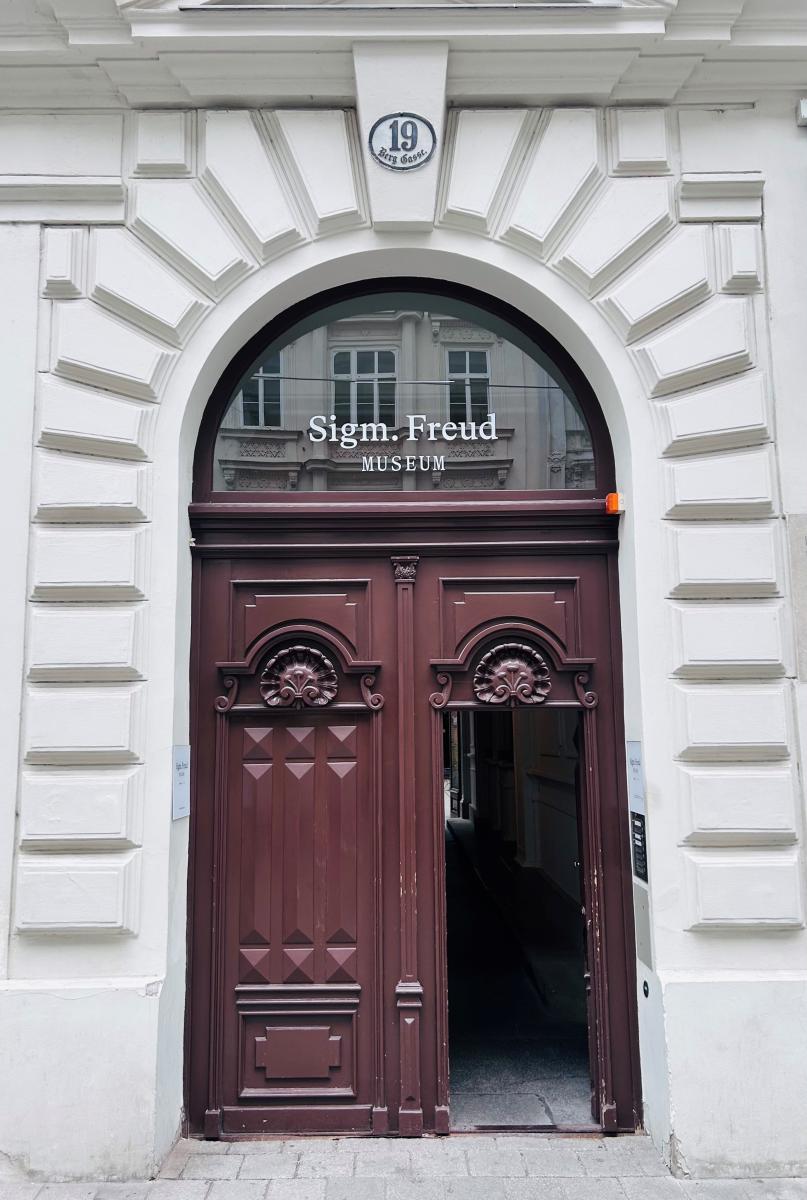
Where Freud’s couch became a quiet stage for queer history.
The Sigmund Freud Museum sits in the apartment where Freud lived and worked for 47 years before fleeing the Nazis in 1938. Walking through his former home you step into the birthplace of psychoanalysis, where the very idea of the modern self was being reinvented.
The house-turned-museum carries an extra layer of meaning. Freud refused to treat homosexuality as an illness or moral failing, and his famous 1935 “Letter to an American Mother” remains a landmark of early twentieth-century clarity: “Homosexuality is assuredly no advantage, but it is nothing to be ashamed of, no vice, no degradation; it cannot be classified as an illness.” Standing in Freud’s study, it is easy to feel how Vienna was once a laboratory for sexual knowledge — a place where the boundaries of desire, identity, and self were being drawn and redrawn.
On two wheels: the best way to see Vienna
If you want to understand Vienna quickly and intimately, skip the crowded bus tours and rent a bike. The city is flat, compact, and threaded with clearly marked cycle lanes. Cycling also lets you feel the city’s rhythm in a way that walking tours often miss. Allowing you to discover your own Vienna: the street art along the water, the quiet courtyards, the cafés that appear when you are not looking for them.
Pink hummus in the sky
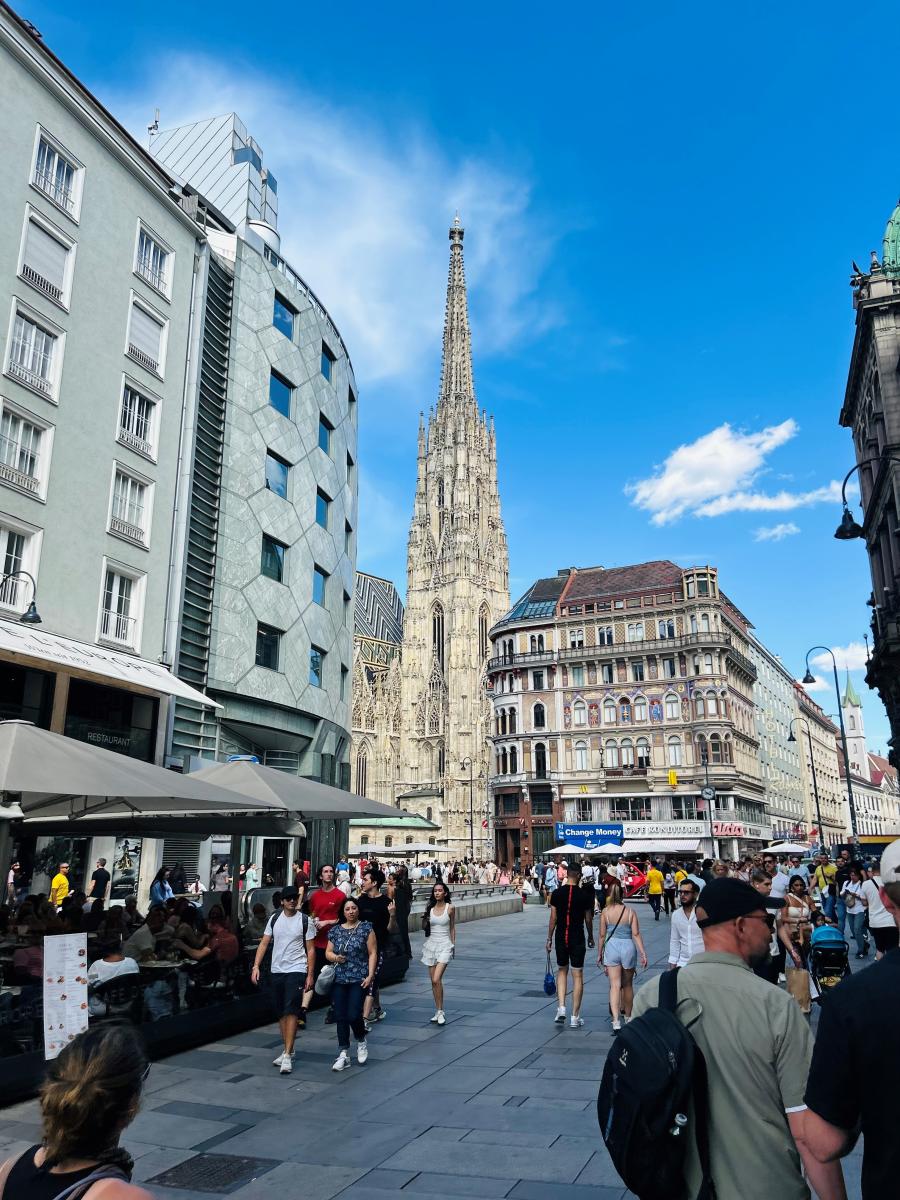
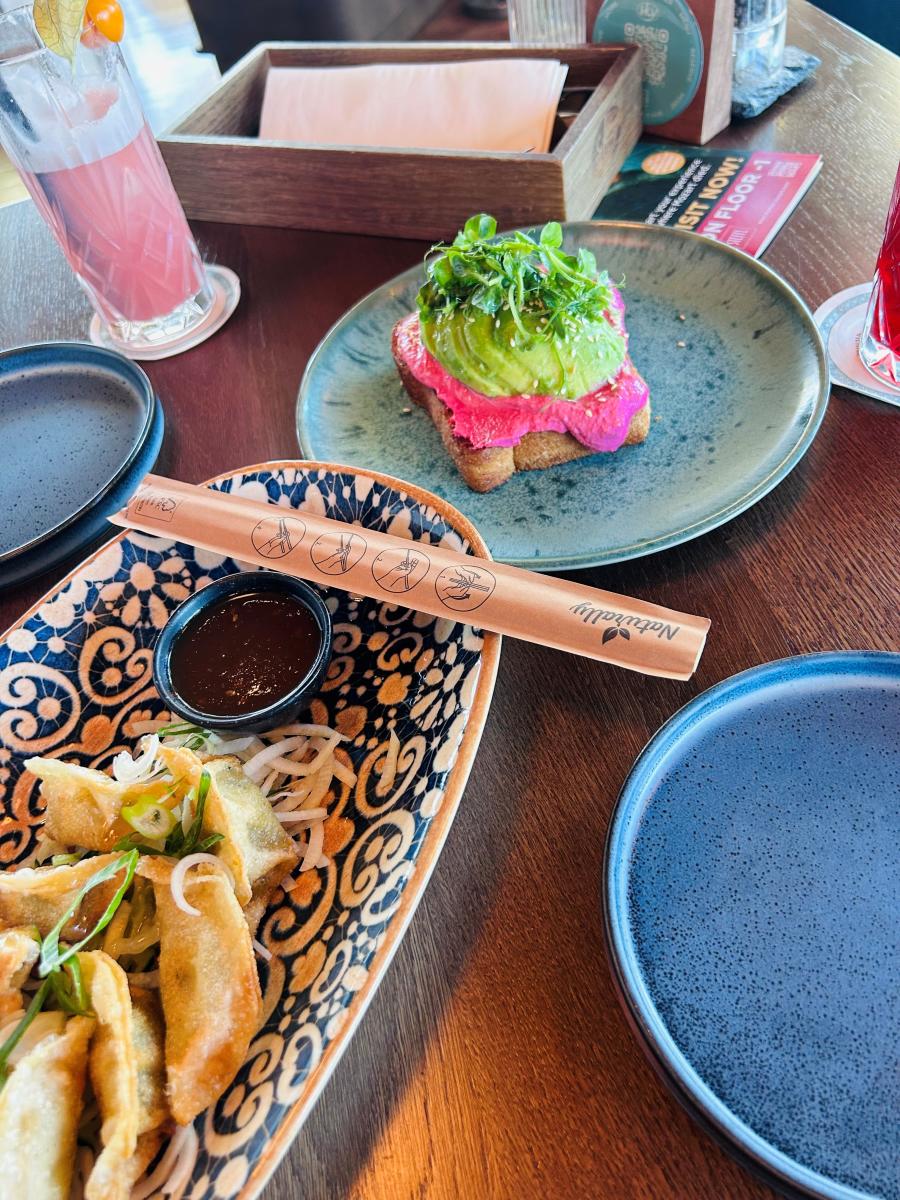
From Freud’s intimate rooms to the rooftops of Vienna, the shift is jarring, but it works. On the rooftop of the Steffl department store on Kärntner Straße, Sky Bar Steffl offers one of the best views in the city, with St. Stephen’s Cathedral and the historic center stretching out below.
The menu is intentionally global and plant-forward, and the vegan options are a highlight. The pink hummus has become a small signature, bright on the plate and surprisingly comforting against the backdrop of a Viennese sunset.
Mozart: From final breath to forever sound
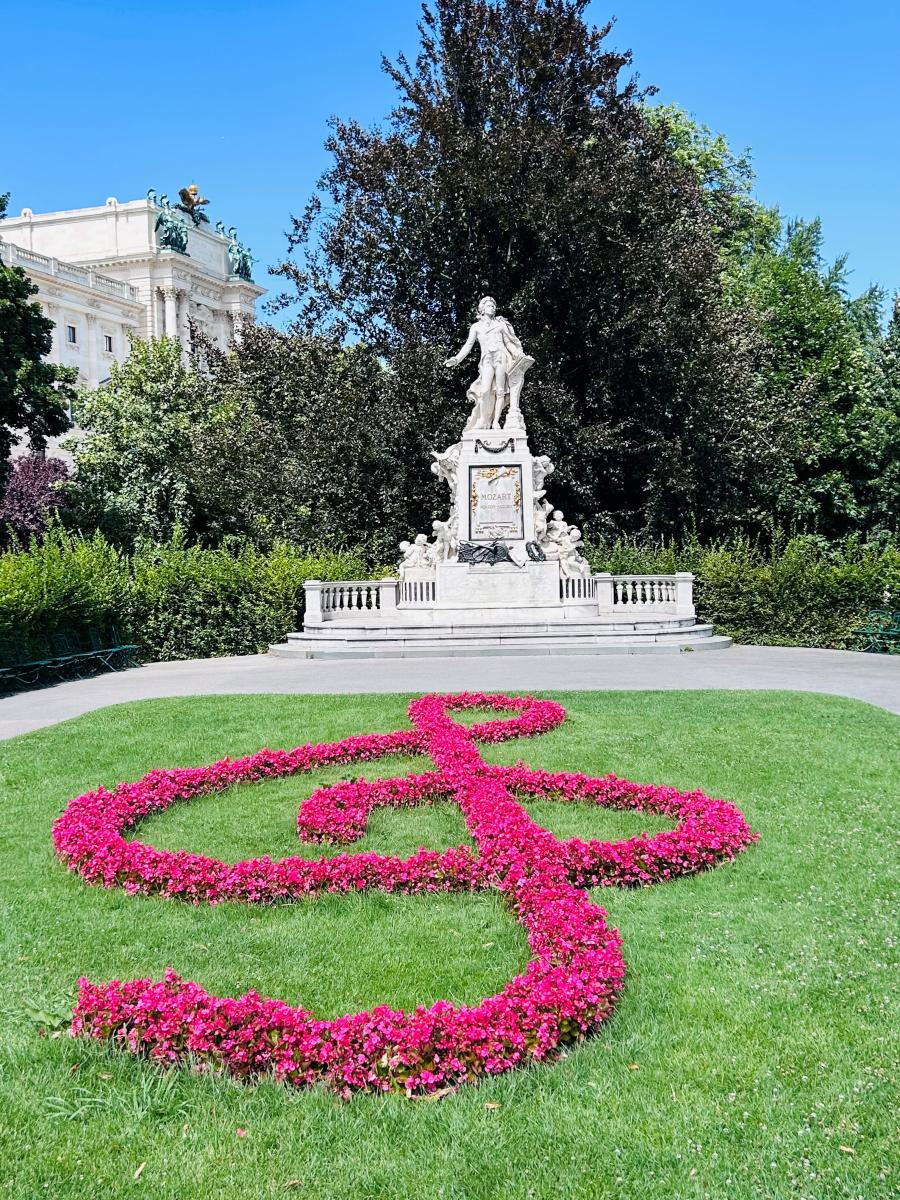
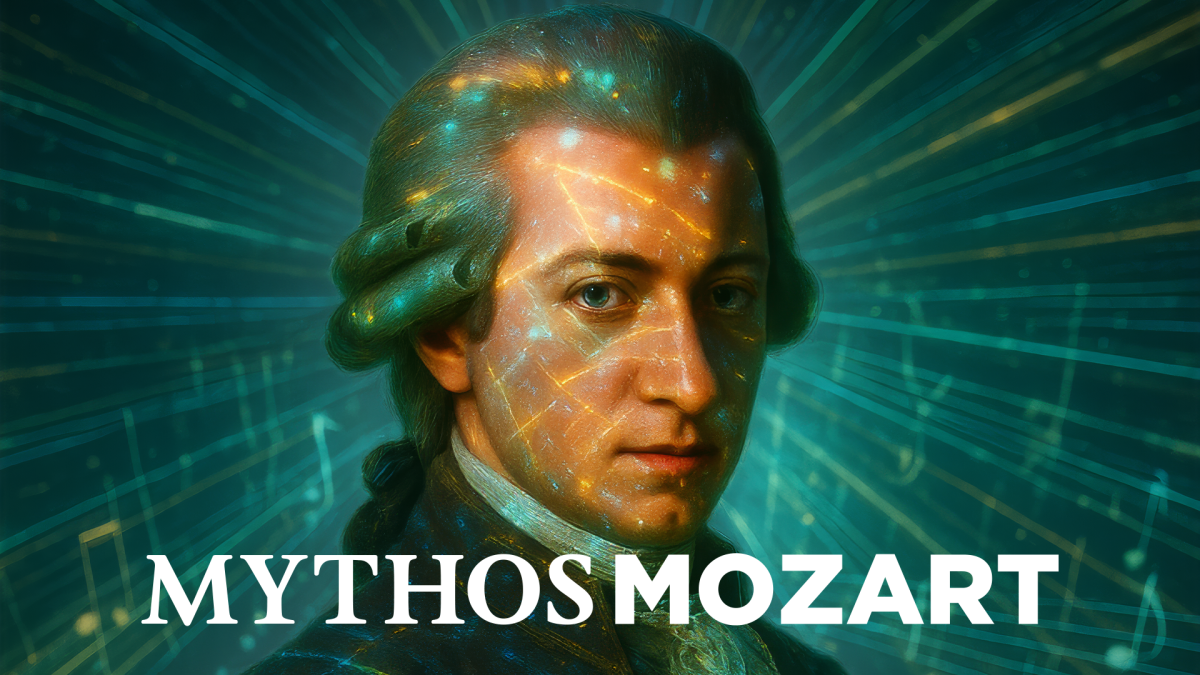
Most Mozart experiences in Vienna start with his genius. Mythos Mozart starts with his death — and with the place where he took his last breath.
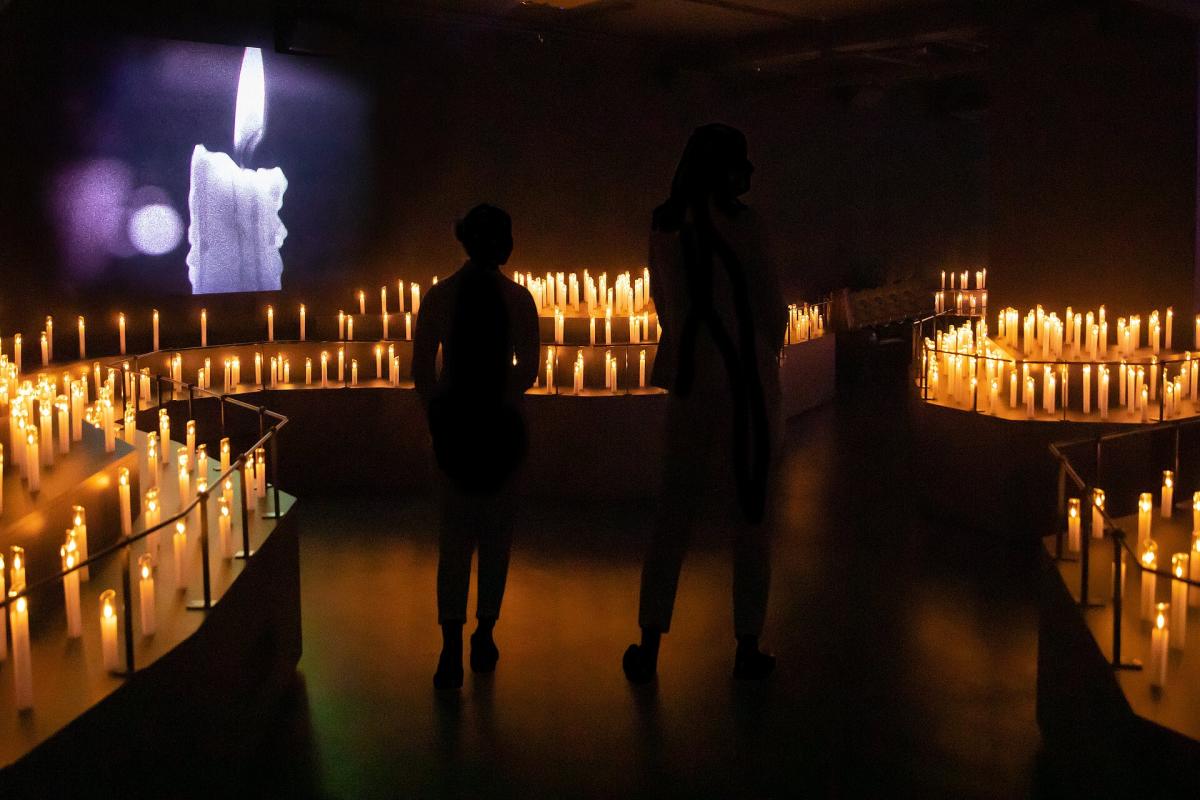
The experience sits in the basement of the Steffl department store on Kärntner Straße, on the exact site of Mozart’s final apartment, where he died in 1791 at the age of 35. The first room is called “Requiem – Mozart’s Death,” and it sets a tone that feels more like a ceremony than a museum. Fifteen hundred LED candles flicker in time with the opening bars of the Requiem, casting shadows across projections of his final days. You are standing, quite literally, where his life ended and his immortality began.
From there, the journey moves backward and outward: into Vienna of 1791, into his music, and into the myths that have grown around him. A 360-degree animated panorama sweeps you through the streets of late-eighteenth-century Vienna, then brings you to the façade of the house where he died. Later rooms reframe his work as world music and end in a digital “Mozart Forever” space built from data, projections, and AI-driven visuals.
We are used to narratives that begin with triumph and skip the fragility underneath. Mythos Mozart refuses that shortcut. It begins with loss, with the body, with the moment everything stops — and only then asks you to listen. That honesty makes the rest of the experience richer.
In Vienna, the past and present of queer life play in the same key — where Mozart, Freud, and modern queer life share the same stage.
About the Author
Written by Ray Si, not AI. By someone who was there, felt every moment, and shares this story from the heart.