

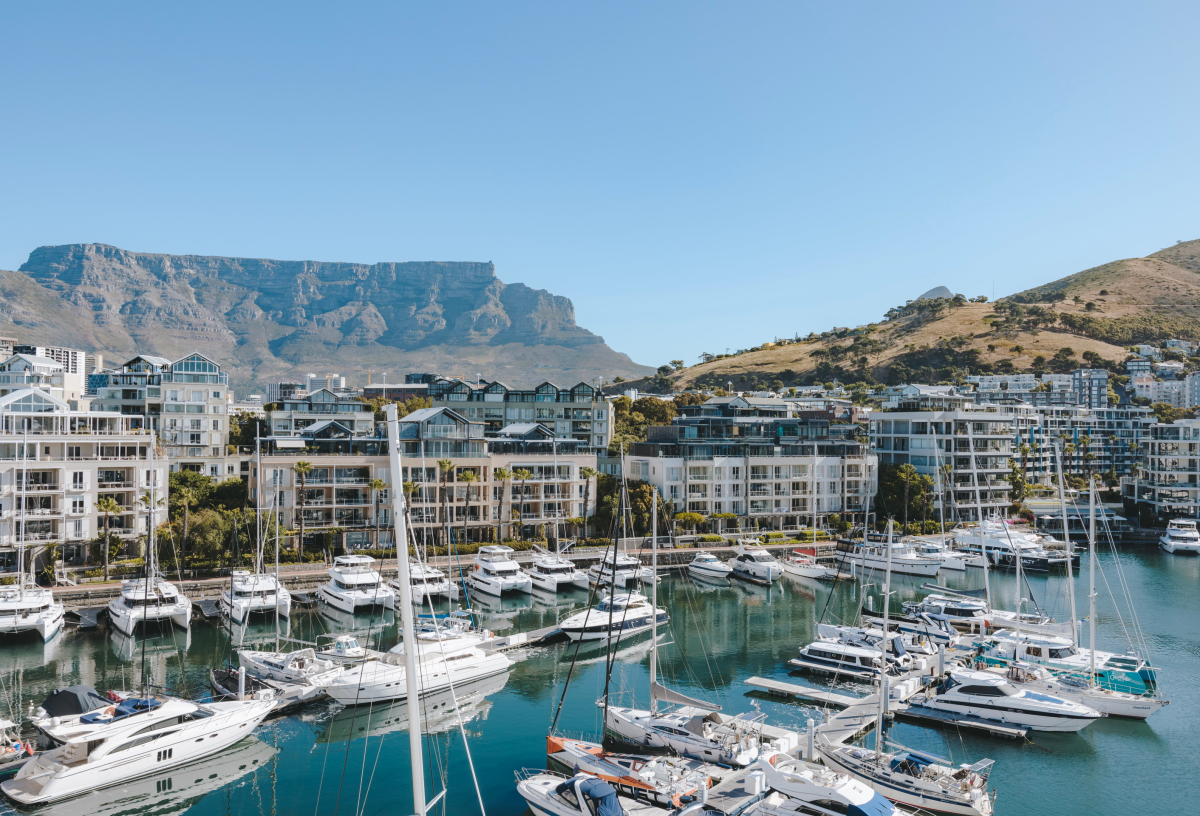
When someone asks me where to begin their first African trip, my answer is usually South Africa, specifically Cape Town.
It offers a soft landing: a modern, cosmopolitan city with excellent food, beautiful surroundings, and an established LGBTQ+ community. Allow at least three nights to explore and settle into your journey before heading into the bush.
For many of the first-time travelers I work with, Cape Town followed by a safari in the Greater Kruger area is a lovely introduction. But before recommending a route or a lodge, I want to understand what you’re hoping for and what would help you feel comfortable along the way.
Start With What Matters to You
You don’t need to arrive with a finished itinerary. Start with how much time you have, your budget, and the experiences you’re most excited about.
Is wildlife the main reason for traveling? Are you planning a honeymoon? Would you like food and wine, nightlife, beach time, or somewhere remote where you can switch off?
Give your planner a budget range and explain whether it is per person or for everyone traveling, and whether international flights need to fit within it. That makes it much easier to recommend a journey that works.
Share any concerns about traveling as an LGBTQ+ person, too. You might be wondering how comfortable you’ll feel as a couple, whether your honeymoon will be acknowledged, or how the experience may differ between destinations. Those conversations belong at the beginning, because they help shape both the route and the properties we choose.
Build a Route Around Those Priorities
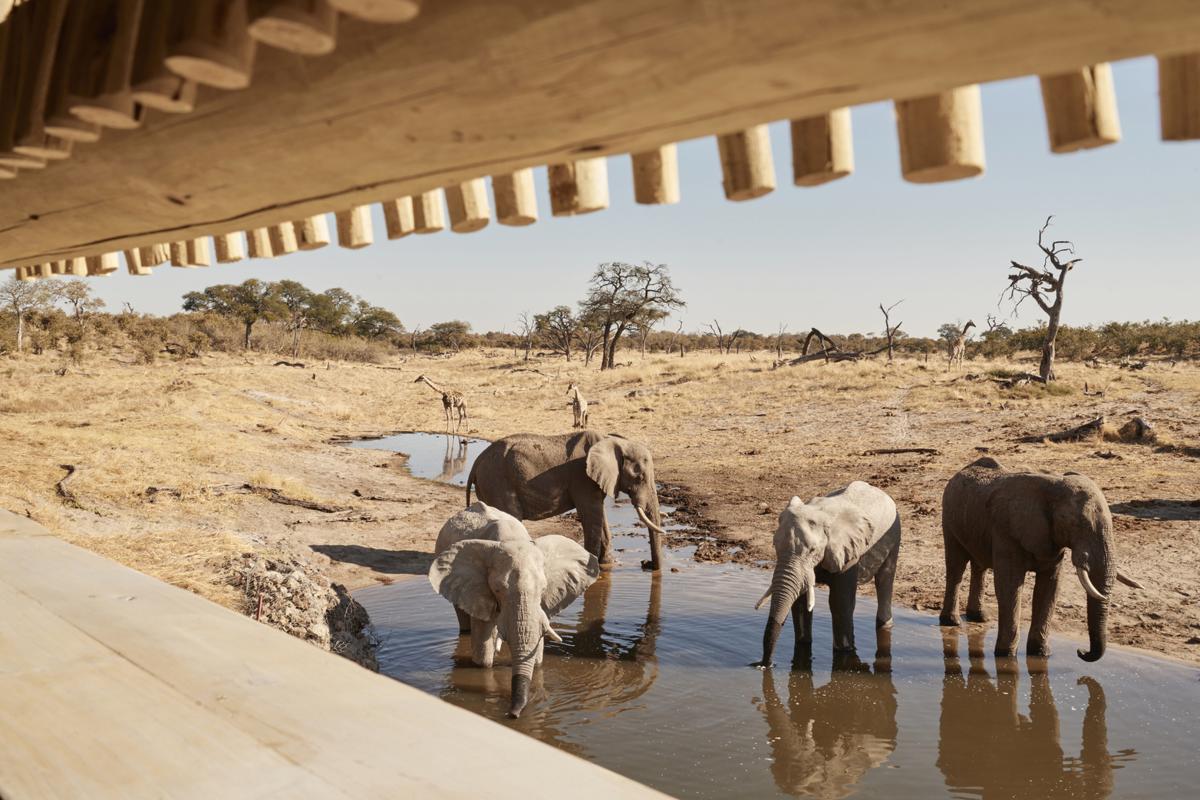
For a first trip, South Africa offers plenty of variety within one country: wildlife, coast, mountains, cities, and wine regions. You don’t need to cross several borders to have a full and memorable journey.
For someone feeling nervous about their first visit, time in Cape Town gives them a chance to find their feet before the safari begins.
If remote wilderness is the priority, Botswana’s Okavango Delta may become a central part of the itinerary, depending on the time and budget available. Namibia might appeal for its landscapes and desert experiences, while Mozambique could provide time on the Indian Ocean. Particular wildlife interests may lead us toward Kenya or Tanzania.
The right choice depends on what you want to experience and where you feel comfortable traveling. A welcoming lodge and a destination’s wider legal and social environment are separate considerations; both deserve attention when planning an LGBTQ+ trip.
Give Yourself Time to Enjoy Each Place
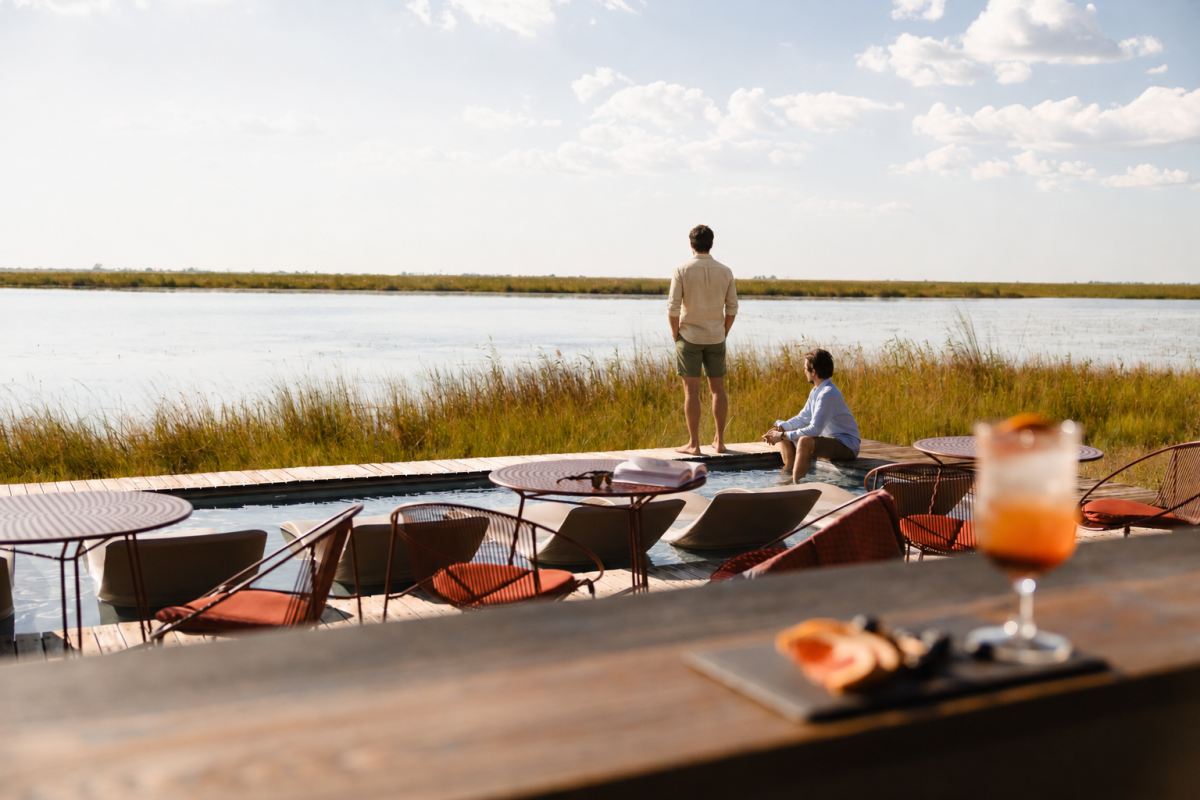
I recommend three or four nights in one safari area. That gives you time to settle into camp, get to know your guide, and enjoy several game drives without putting all your expectations on one outing.
Every drive is different. Part of the pleasure is watching the experience unfold over a few days.
With more time, a second safari area can add different landscapes, activities, or wildlife experiences. You might also consider another focus, such as Victoria Falls or a beach stay. Each addition should earn its place in the itinerary.
Look at the whole transfer when deciding what fits. Packing, checking out, reaching an airstrip, flying, and continuing to the next property can occupy much of a day, even when the flight itself is short.
I once worked with clients who were determined to fit as much as possible into a short trip. We talked through how much time they would spend moving, reduced the stops, and allowed longer stays. Afterward, they specifically thanked me for encouraging them to slow down.
Africa rewards patience. Leave yourself enough time to enjoy where you are.
Look Beyond “Gay-Friendly”
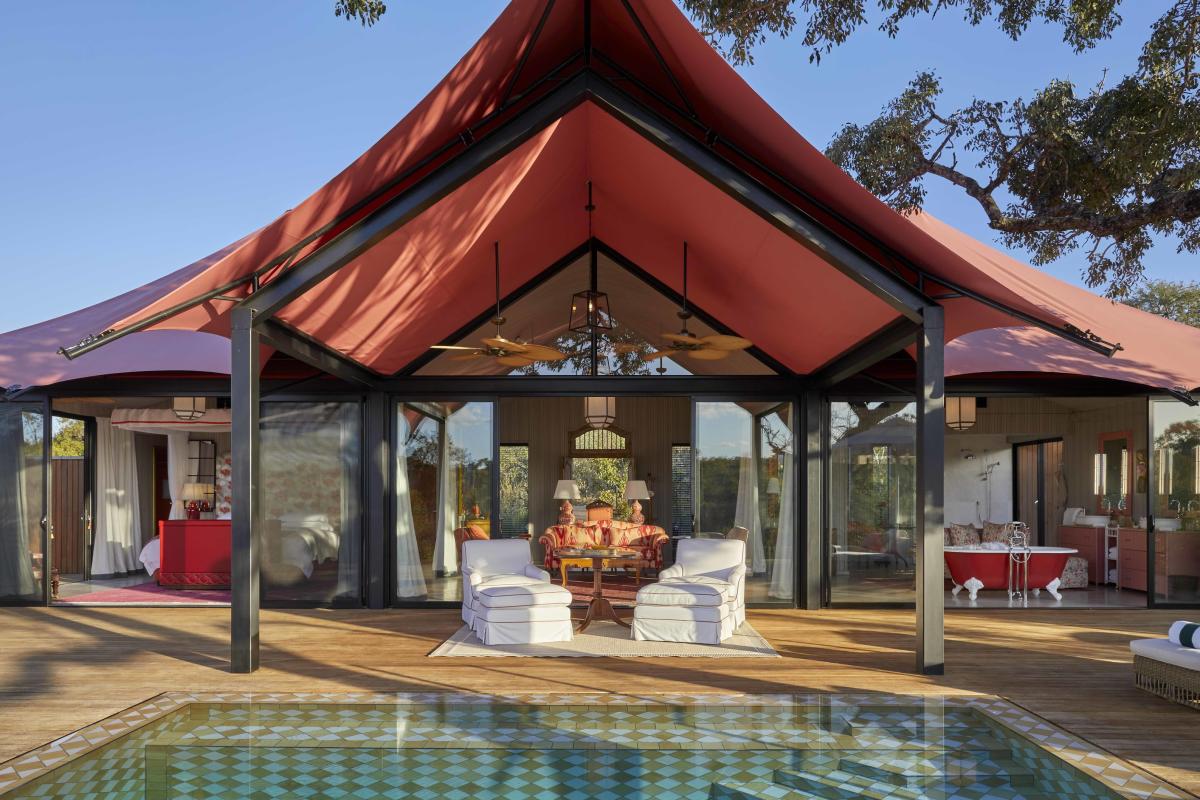
When it comes to choosing properties, “gay-friendly” is a starting point for a conversation. The details tell you much more. Before booking, ask your planner:
- Have you hosted LGBTQ+ couples at this property, and why do you recommend it for us?
- Will our double-bed arrangement be confirmed before arrival?
- If we’re celebrating a honeymoon or anniversary, how will that be acknowledged?
- Will the relevant staff know our arrangements?
- Who can we contact if something makes us uncomfortable?
These are details I check when planning a trip. I want guests to arrive knowing that their arrangements have been understood and that there is someone they can turn to throughout the journey.
The right property also needs to suit you personally. Some couples want a sociable camp with shared dinners; others want privacy and space. Tell your planner what helps you relax so that the recommendation goes beyond a welcoming reputation.
Understand the Full Cost Before Booking
Once the route and properties feel right, ask for a quote that covers the accommodation and the logistics connecting the journey.
It should make clear whether the price includes:
- Flights within the itinerary and road transfers.
- Park entrance, conservation, and reserve fees.
- Game drives and other activities.
- Meals and drinks.
Ask which activities cost extra and what other exclusions apply. Park and conservation fees can make a meaningful difference to the total, so confirm whether they have been included.
You should also know what to allow separately for international flights, insurance, visas where applicable, and gratuities. Comparing the inclusions will tell you more than comparing headline prices alone.
Your first safari doesn’t need to include every destination you’ve dreamed about. Start with the experiences that matter most, choose places where you feel comfortable, and give yourself time to enjoy them. That is the foundation I would build on.
About the Author
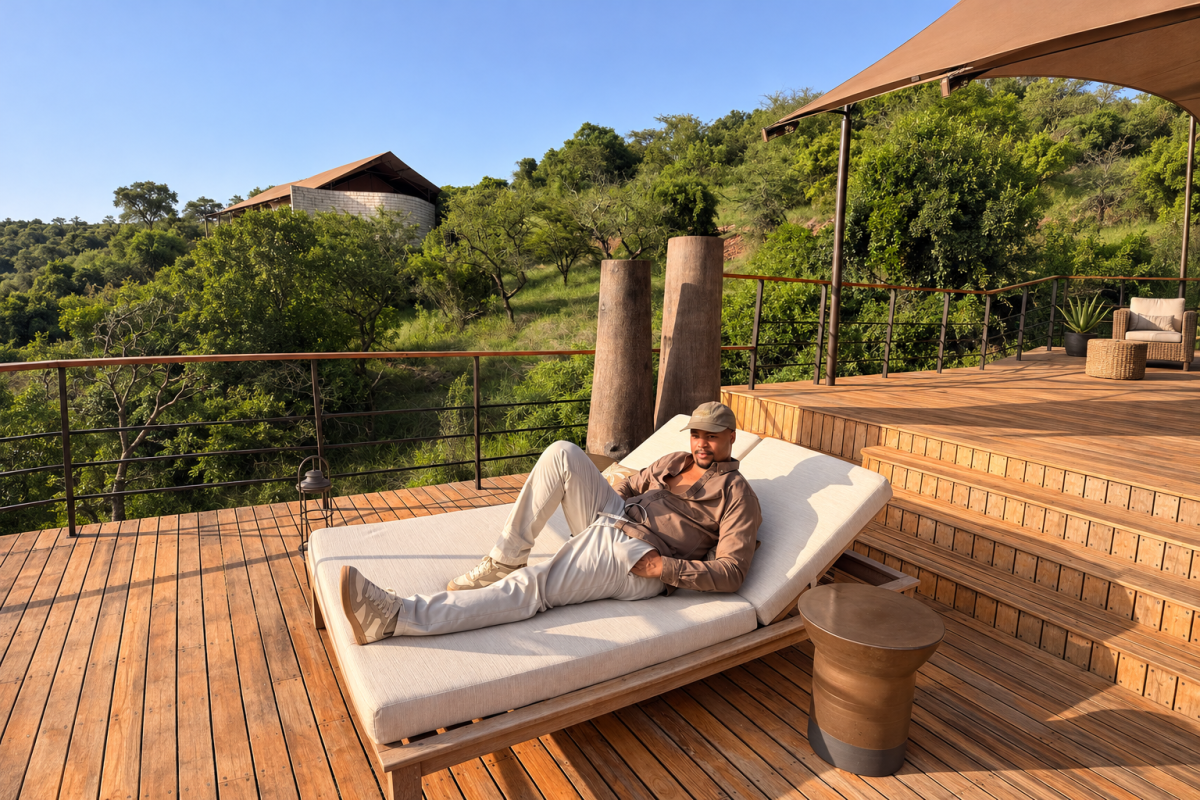
Zannon James (he/him) is the founder of Mason & Wild Luxury Safaris and an active member of IGLTA, the International LGBTQ+ Travel Association. He has more than a decade of experience designing safaris and traveling throughout Southern and Eastern Africa.
His approach combines firsthand destination knowledge with careful attention to how guests want to feel throughout their journey. Zannon believes the best safaris give travelers time to settle in, connect with the places they visit, and enjoy the experience at their own pace