

How one Caribbean island taught me that the most meaningful travel begins with feeling welcome and grows through the relationships we choose to build.
More than 15 years ago, I arrived in Curaçao carrying a fear I had lived with since high school.
I was afraid of the water.
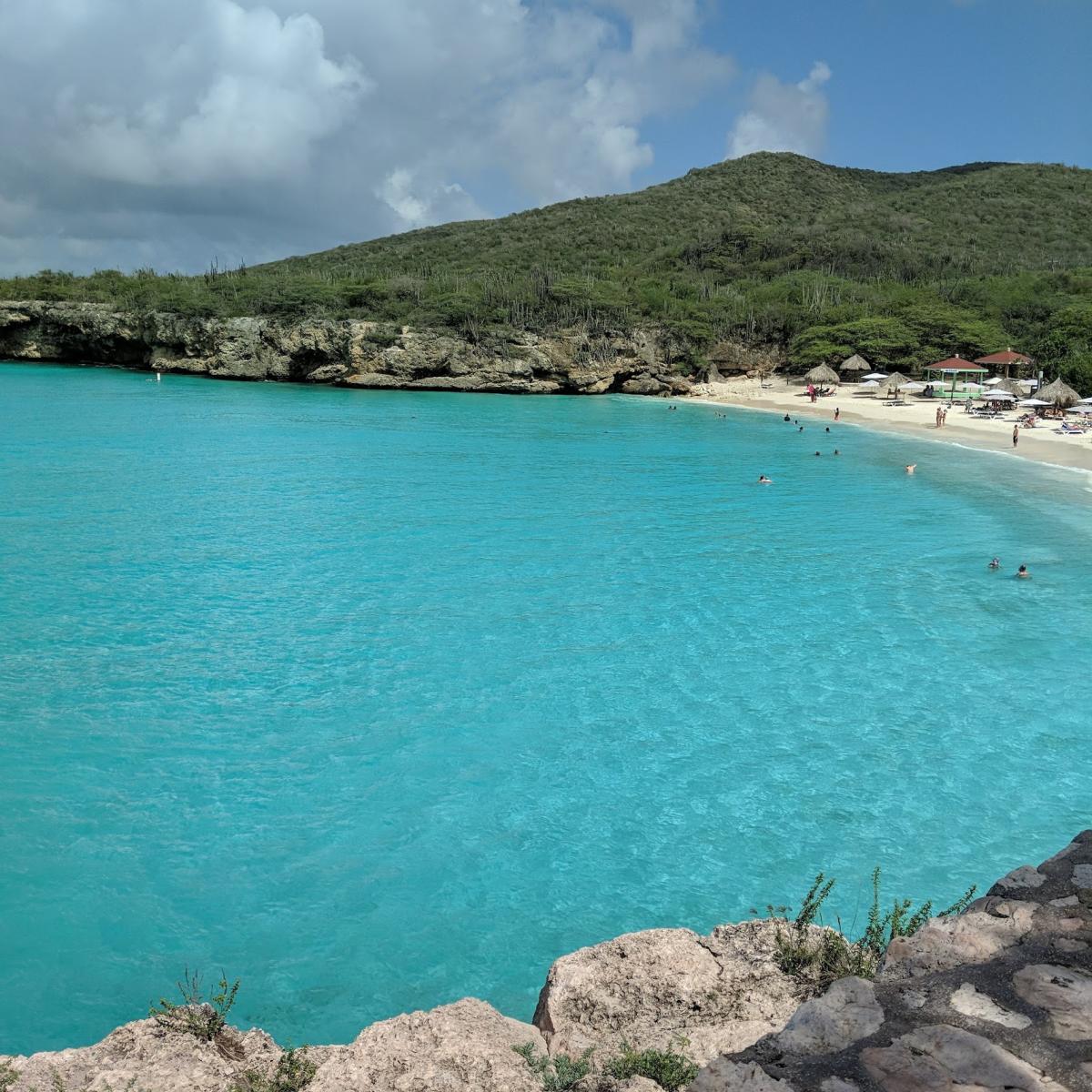
That might sound like an unusual beginning for a love story involving one of the Caribbean’s most celebrated diving destinations, but Curaçao’s water was different. It was clear, calm, and inviting. I could see what was beneath me, and it felt as if the island was giving me permission to move at my own pace.
On that first visit, I also remember how comfortable everything felt. My partner and I could walk the main stretch, enjoying the coast and the neighborhood along the way. No destination is without risk, and common-sense matters everywhere, but Curaçao felt noticeably relaxed and welcoming.
The ocean helped calm my fear, but it was the people who gave me the confidence to step into it.
The People Behind the Postcard
Mark and Suzy Pinnell at The Dive Bus, along with Badger, one of the instructors there at the time, changed my relationship with the water. They understood how to make someone feel safe without making that person feel self-conscious about being afraid.
They made diving fun, personal, and approachable.
That first experience became a friendship, and the friendship became one of the reasons we kept returning. Over time, Curaçao stopped feeling like a destination we had visited and started feeling like a place where we had relationships.
That distinction matters.
It’s easy to describe Curaçao through photographs of Willemstad’s colorful waterfront, its beaches, or the remarkable visibility beneath the water. Those images are beautiful, but they are not the full reason the island stays with me.
I remember the conversations, the shared laughter, and feeling of being recognized when we returned. We weren’t just passing through.
What Welcome Feels Like
As LGBTQ+ travelers, my partner and I are accustomed to researching a destination before we arrive. We want to know whether we will be safe, but we also want to know whether we can relax.
In Curaçao, no one bats an eye.
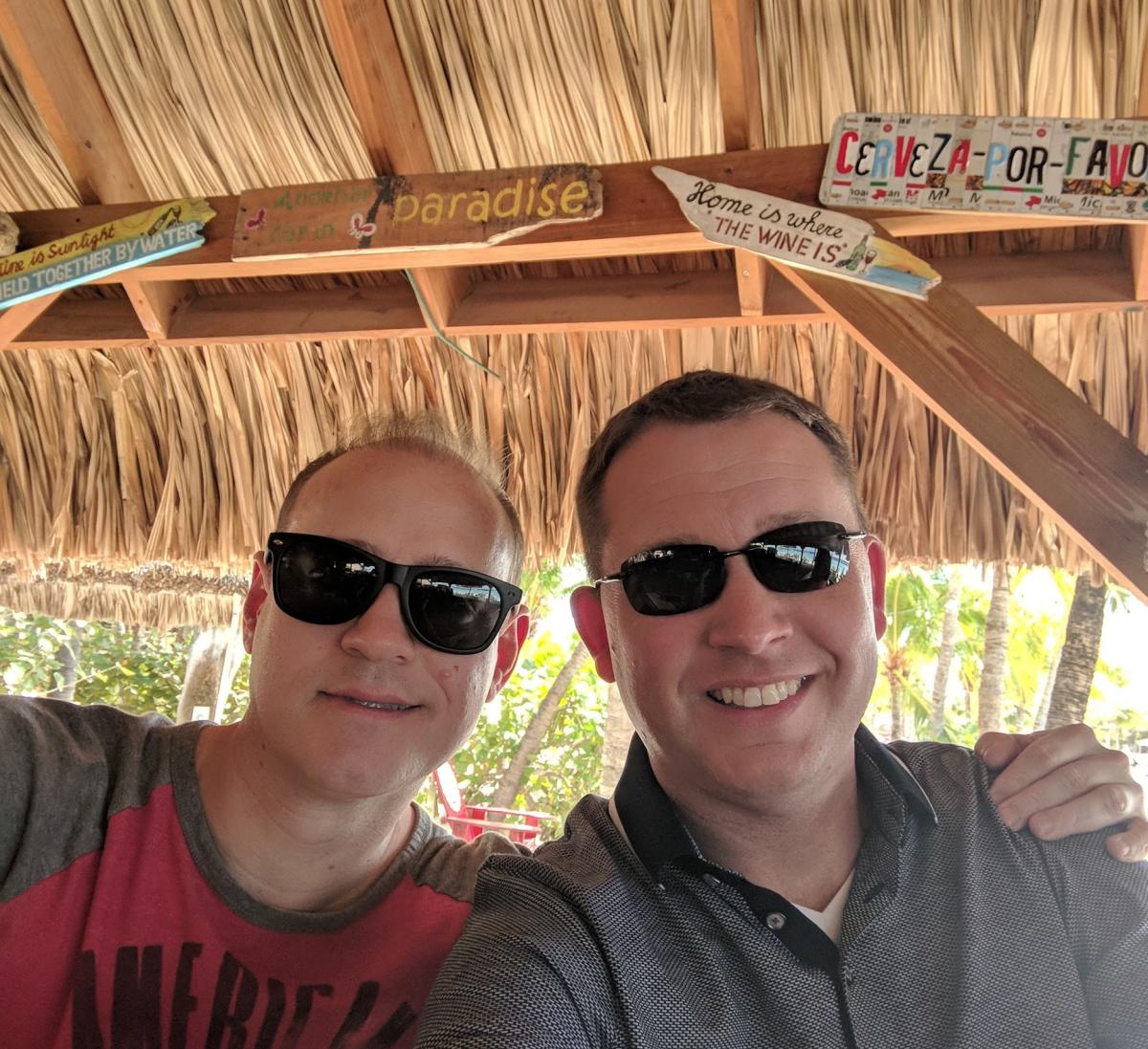
We are simply Cameron and Jonathan. We do not feel as though our relationship needs to be announced, defended, or carefully edited for the comfort of the people around us. We are respectful, and that respect has consistently been returned to us with warmth and generosity.
That does not mean travelers should arrive without cultural awareness. Being welcomed somewhere is not permission to behave as if the destination exists solely for us.
The responsibility is on us to understand that we are entering someone else’s home. We should learn about the culture, listen more than we speak, support local people, and treat others with the same consideration we hope to receive.
It is remarkable how often that respect is returned in ways that make a trip unforgettable.
The Meals We Still Talk About
Some of Curaçao’s best experiences are relaxed, local, and memorable precisely because they do not feel manufactured for visitors.
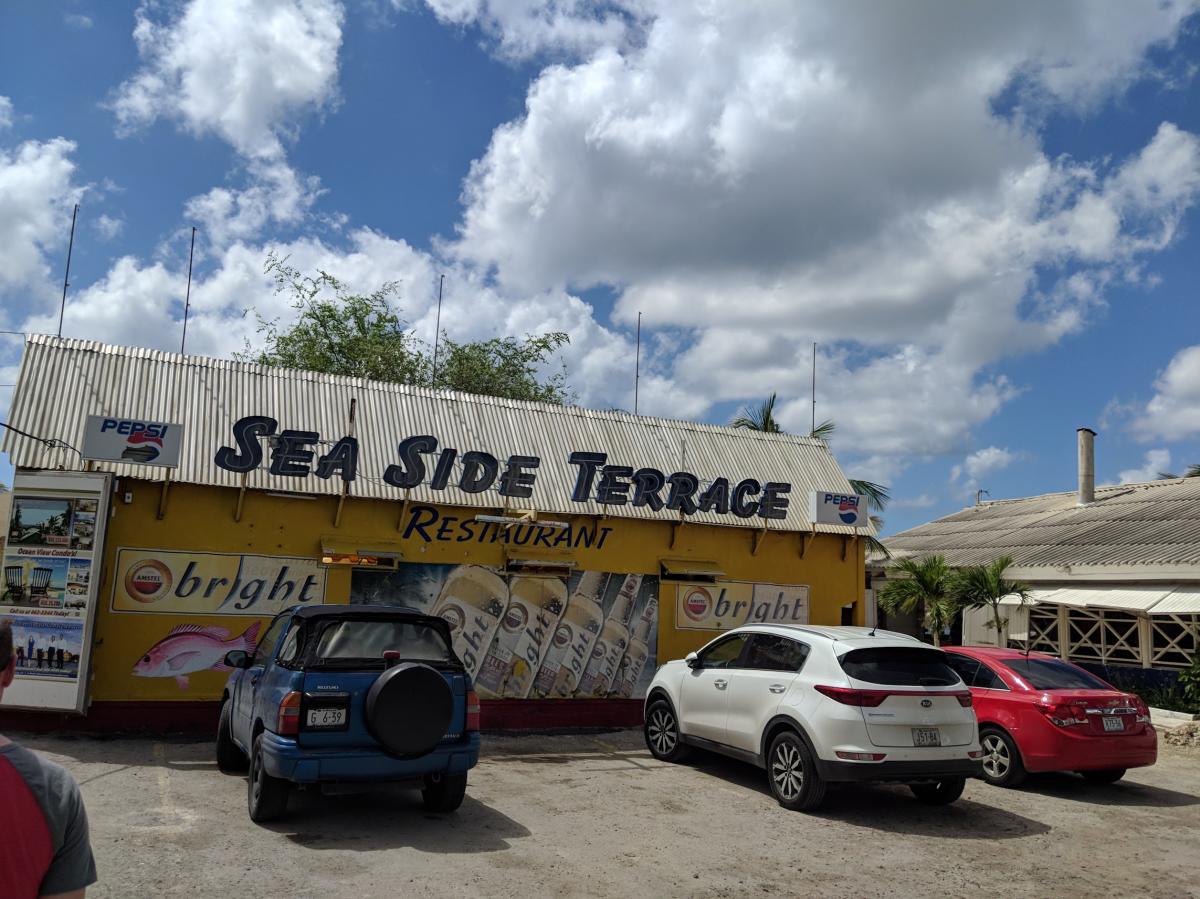
For us, one of those places is Seaside Terrace.
It is an unpretentious local seafood restaurant where the service is friendly, the atmosphere is laid-back, and the food becomes part of the memory. We tried lionfish there for the first time and loved it. Because lionfish is an invasive species in Caribbean waters, the meal also introduced us to another side of Curaçao’s relationship with the sea and the work being done to protect its reefs.
The dish I remember most, though, is the red snapper. It was fresh, straightforward, and exactly the kind of meal that makes you understand why stepping outside the resort experience matters.
I also tried iguana during one of our visits. I am glad I tried it because experiencing local food is part of understanding a destination. That said, I could never quite get past the fact that I was eating iguana. Some dishes become favorites. Others become stories you enjoy telling when you get home.
Where Our Travel Dollars Land
Working in travel has made me think much more carefully about where the value of tourism goes.
When I help travelers experience Curaçao, I want them to enjoy the beaches and the water, but I also want them to meet the people whose lives and businesses are connected to the island. That means working with local guides, eating at locally loved restaurants, supporting independently owned businesses, and remembering that a meaningful port day should benefit more than the person stepping off the ship.
Many of the travelers I advise first discover Curaçao during a Virgin Voyages sailing. I love showing them that a port call does not have to be a checklist stop; it can be the beginning of a much longer relationship with the island, its people, and the local businesses that make it unforgettable.
Our friendship with Mark at The Dive Bus eventually introduced us to Rescue Paws Curaçao through one of his birthday fundraisers. Learning about its work with the island’s dogs gave us another way to remain connected to Curaçao between visits.
We began making quarterly donations in 2024.
Last January, we had planned to meet representatives from Rescue Paws during a return visit. We hoped to bring attention to its work, make a donation, and introduce some of our travelers to an organization we had grown to care about.
Then our cruise itinerary changed, and the ship never reached Curaçao.
The visit did not happen, but the donation did.
That moment clarified something important for me. If our support for a destination exists only while we are physically standing there, it is not much of a relationship. Caring about a place means continuing to care when the itinerary changes, the vacation ends, and the photographs disappear from our social feeds.
More Than a Place on an Itinerary
World Tourism Day (27 September) invites us to think about what travel can accomplish.
For me, the answer is found in the relationships that continue long after we return home.
Curaçao helped me overcome a fear of the water. Its people welcomed my partner and me without making our relationship feel remarkable or unusual. Local friends taught us how much more meaningful a destination becomes when we slow down, listen, and allow ourselves to become connected to it.
I first came to Curaçao for the water.
I kept returning because of the people.
Somewhere along the way, visiting became belonging, and belonging created a responsibility to give something back.
About the Author
Cameron DeJong (he/him) is the Managing Partner of CamJon Travel, a boutique agency specializing exclusively in Virgin Voyages Ocean cruises. Recognized as a Top 100 Virgin Voyages advisor in North America, Cameron is a Certified Travel Associate and proud IGLTA member based in southwest Florida. He and his partner Jonathan love spending time with their three furbabies, Butters, Decy, and Penny.