

This year’s World Pride is even more important than you think. It’s not just a chance to celebrate our community in the face of growing anti-LGBTQIA rhetoric. World Pride in Amsterdam marks an important queer rights anniversary and is a chance to reflect on how far we’ve gone. (And to party, of course.)
The world’s first legal gay marriage took place at Amsterdam City Hall on April 1, 2001 – and no, it wasn’t an April Fool’s joke. The mayor who officiated the wedding had been one of the parliamentarians who had pushed the national law through. Three male couples and one female couple were married at the stroke of midnight, as the law went into effect.
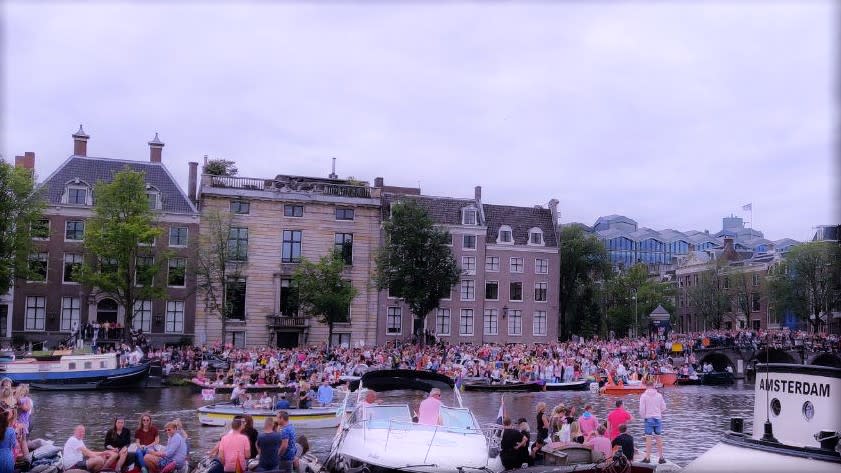
It sent a wave of hope through our community worldwide. I remember my table at the university café going absolutely still as we heard the news that the impossible had happened. The Netherlands showed that we could be treated like any other couple. It would take work, but marriage equality was possible.
What most people outside the Netherlands didn’t know is that the story of how we got there offers even more cause for hope. As proud as the Dutch are of their culture of tolerance, at the beginning of the twentieth century there was nothing to suggest it would end with gay marriage. Homosexuality wasn’t just illegal; police harassment and violence were common.
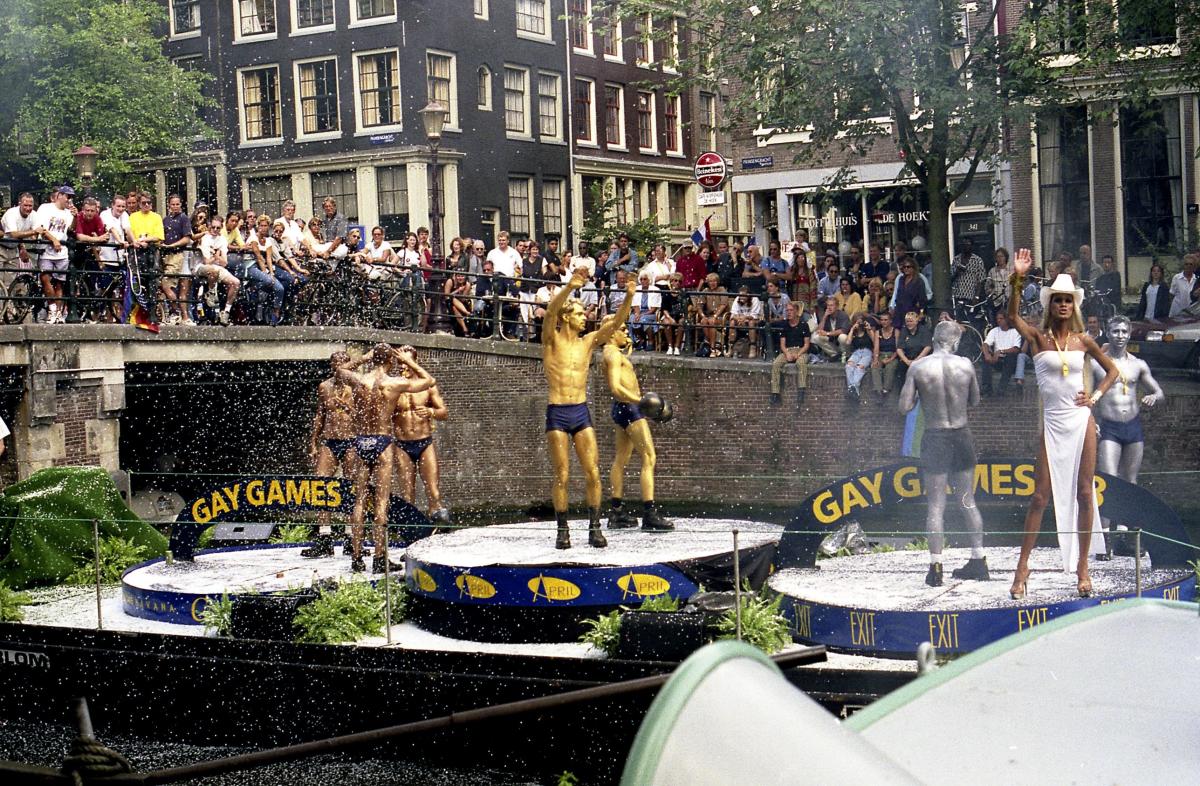
Image Credit: Gay Pride Prinsengracht '97 Bert Gerlach adam archief rechtshebbende
The change was built not from huge mass movements, though those later helped. The real tipping points were a couple brave actions by ordinary people. Amsterdam’s queer history is a living testament to Catherine of Siena’s famous command: “Be who you are meant to be, and you will set the world on fire.”
Bet van Beeren (she/her), a butch lesbian from Amsterdam’s poorest neighborhood, opened the country’s first modern gay bar. With her fierce and clever protection, she created moments where the nascent queer community could truly be – and grow into - themselves. (Unsurprisingly, she also made the café a Resistance waystation during the Nazi occupation.)
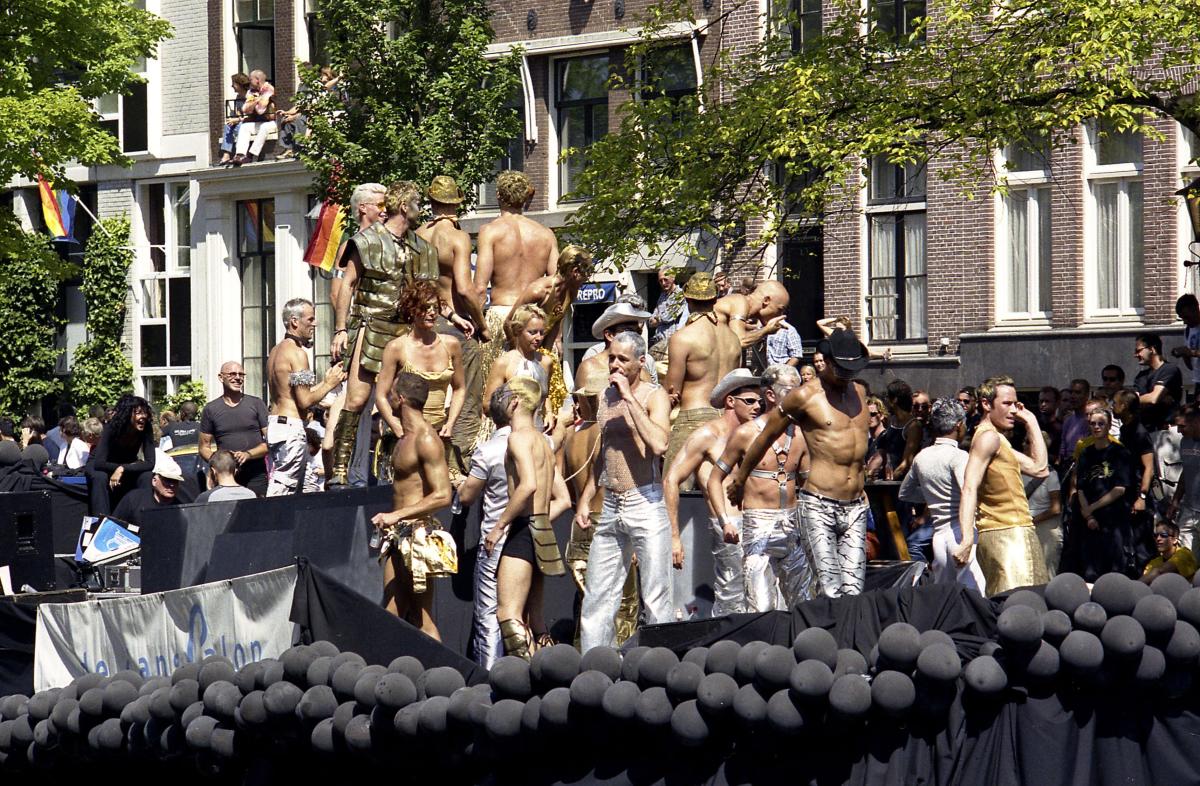
Image Credit: Gay Pride 2001 adam archief rechtshebbende
Holocaust survivor Benno Premsela (he/him) was a well-known designer when he went on TV to talk simply and openly about his life as a gay man. He spent the rest of his life not just as a face of the community, but as its moral center. He helped the community expand across gender and race. He also held it together when it was faced by a significant generational divide.
That divide was spearheaded by students like Joke Swiebel (she/her). Banned from joining LGBTQIA groups by a law forbidding queer contact before the age of 21, these students organized Europe’s first pro-gay protest. About seven months before Stonewall, more than one hundred students gathered in front of the parliament building to demand an end to the law. They succeeded and Joke went on to become a European lawmaker.
They and many others show us that equality was achieved by simple steps taken by ordinary people. Of course, there were some big events too. In 1998, three years before gay marriage, the Gay Games took over Amsterdam in early August. To prepare the city, they started holding an August canal parade in 1996.
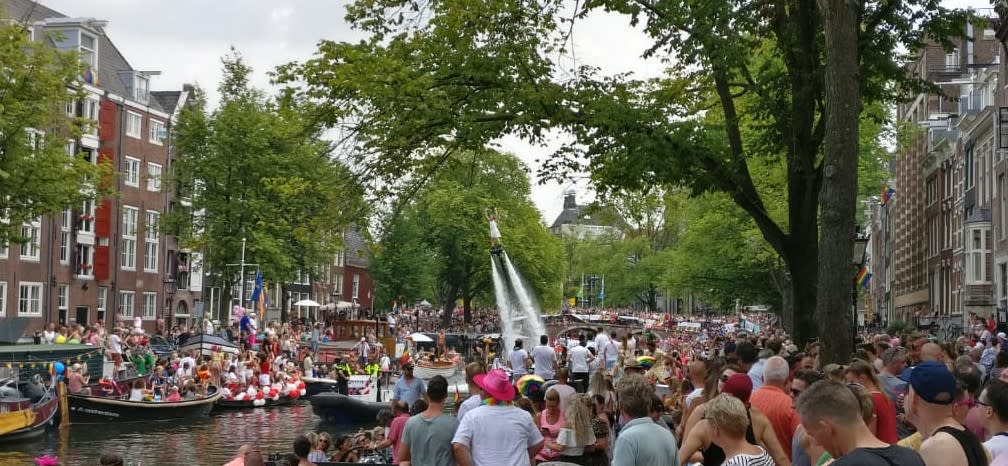
That canal parade continues in wild exuberance to this day. In 2026, thirty years after the first parade and twenty-five years after the first gay marriage, it will cap a month of celebratory events. If you were ever going to visit World Pride, this is the year to do it!
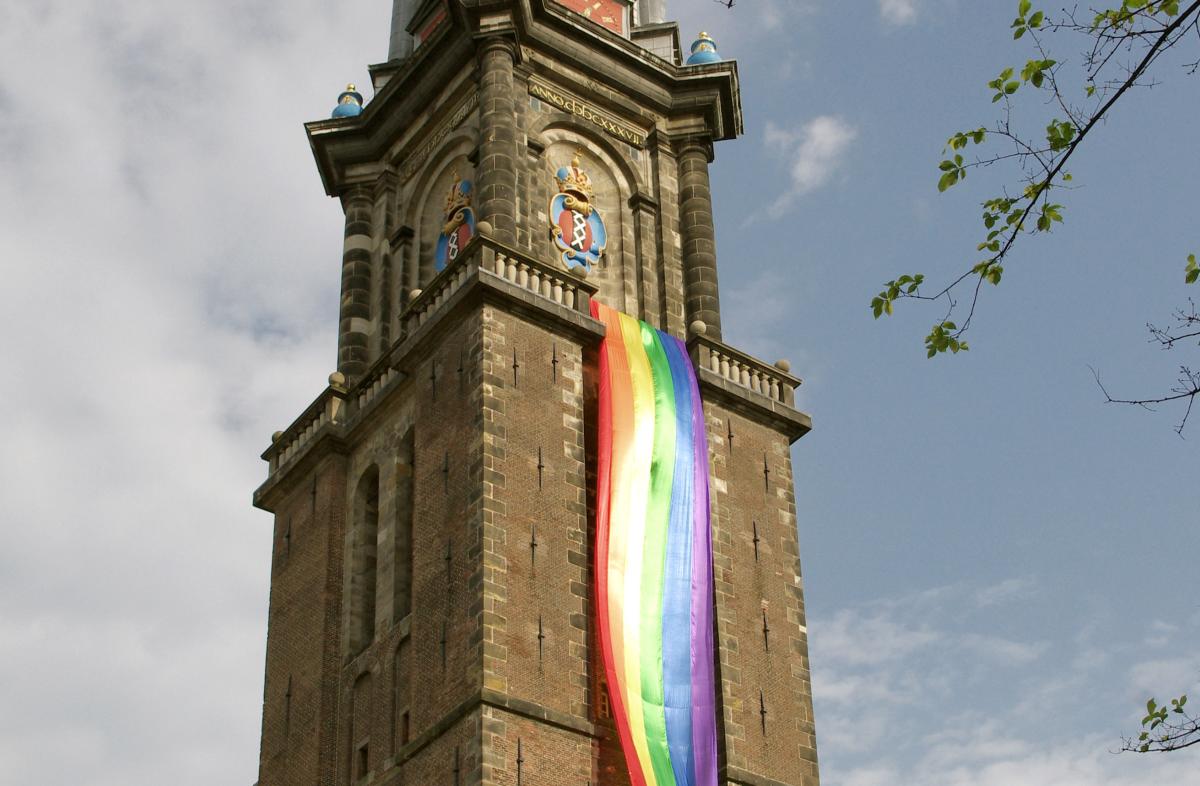
Image Credit: Gay pride 2013 weterkerk adam archief rechtshebbende
About the Author
Badass Tours is on a mission to fill in the gaps in popular history. They lead walking tours through Amsterdam telling its incredible women’s, LGBTQ+, Jewish, and BIPOC (Black, Indigenous, People Of Color) stories. These people were often relegated to archives and footnotes because they weren’t the ones writing the history books.